
Pregnancy

What are the Benefits of Merino Wool for Babies

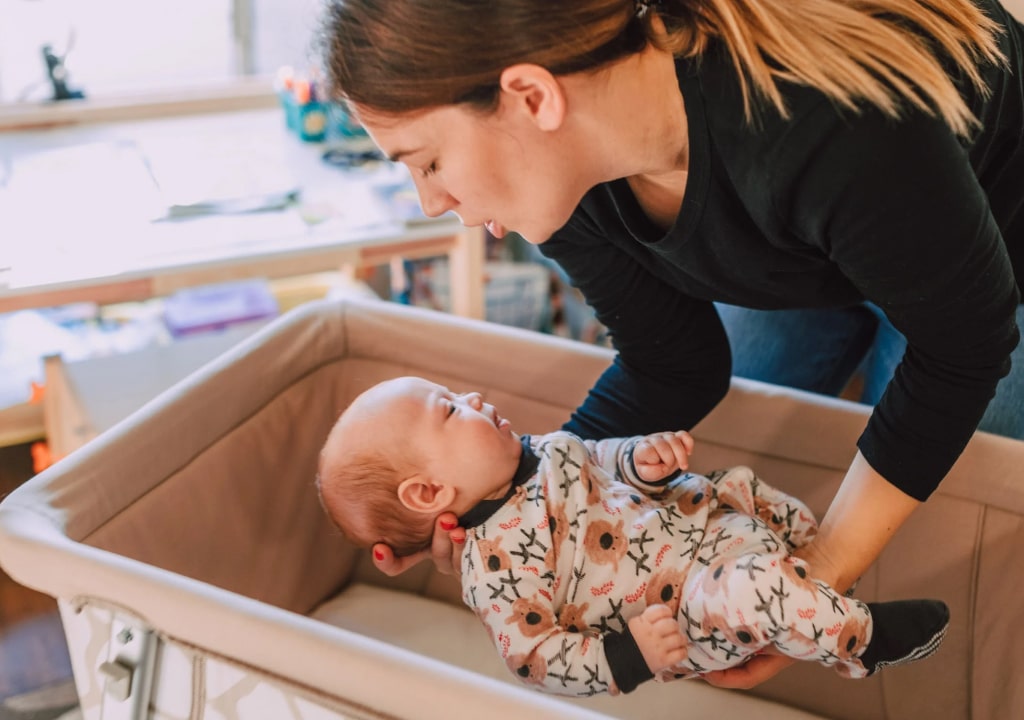
Merino wool offers an exceptional combination of softness, warmth, and breathability, making it an ideal choice for babies’ sensitive skin. Simply layering standard wool or synthetic fabrics won’t achieve the same comfort; the natural fibers regulate temperature, wick moisture, and allow for freedom of movement without irritation. Do you want to ensure your baby stays cozy throughout naps, playtime, and outings? Then choosing certified, high-quality merino garments and carefully considering fit and durability is essential—but this attention to detail only comes after evaluating daily routines, climate, and the baby’s individual needs.

Second, select merino wool thoughtfully if synthetic fibers or heavier wools might trap heat or cause itching. For specific garments, collaboration between parents, designers, and textile experts may be best; however, merino wool naturally combines insulation with softness, turning everyday outfits into comfortable essentials. So don’t hesitate to invest in merino for its natural performance, ensuring babies remain warm, dry, and happy.

One word of caution: check labels and sourcing carefully. Parents should confirm the wool is soft, ethically produced, and non-restrictive; you don’t want itchiness, poorly constructed garments, or fibers that degrade quickly, and you certainly don’t want to compromise the natural benefits that make merino wool such a versatile choice for little ones.

Take better phone photos

Capturing memorable moments requires more than pointing and shooting; lighting, composition, and timing all influence the final image. Using natural light, steady angles, and thoughtful framing enhances clarity and emotion, while attention to background and context ensures the story is told visually. Even small adjustments can transform ordinary snapshots into images worth keeping.

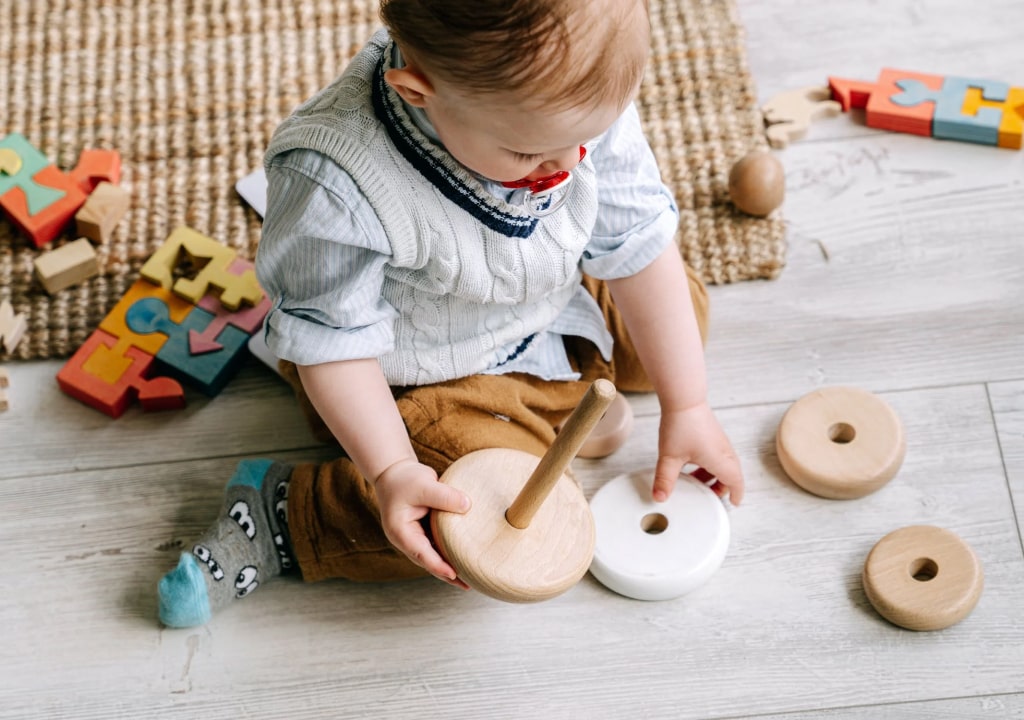
A well-organized playroom is more than just storage; it shapes how babies explore, learn, and interact. Sorting toys by type, color, or activity encourages curiosity while keeping the space safe and clutter-free. Soft mats, accessible shelves, and designated activity zones make it easier for caregivers to supervise, while thoughtful placement of sensory and developmental toys turns everyday play into a structured, enjoyable experience.

Leave a Reply

Your email address will not be published. Required fields are marked *